
The vegetable garden notebook / Vegetable garden calendar
The vegetable garden in August: preparing autumn harvests
In August, plan autumn crops for the spaces that are actually free. Before sowing, check the variety, soil condition and whether you can monitor seedling emergence.
Adapt this guidance to your garden’s climate and conditions.
This guide uses French examples and seasonal references. Adjust them to your garden’s climate and local conditions.
Three priorities this month
- Identify available spaces
Distinguish between crops still producing and spaces already freed.
- Choose a follow-on crop to sow
Check the variety’s sowing period and how much growing time remains before cold weather arrives locally.
- Support seedling emergence
Keep the sowing moist despite the heat, without saturating the soil with water.
Plan follow-on crops around the current harvests
On your plan, distinguish three situations: a crop is still producing, its harvest is ending, or the space is already free. Keep harvesting the crops that are still producing and reserve new sowings for available spaces. The arrival of August alone does not justify uprooting tomatoes or courgettes.
The goal is to prepare the next stage early enough. Terre vivante notes that vegetables intended for winter must develop before the cold, which significantly slows their growth. Being cold-resistant does not mean continuing to grow at the same rate.
First, choose a small area you can monitor. Record the planned variety, available space, and days when someone can observe the sowing. If you are away, account for this absence before sowing several new rows.
Keep track of summer crops
Before sowing a new row, consult the guide for the crop still growing there: harvesting tomatoes, picking French beans, or managing courgettes. The space only becomes available after your decision to end the crop, not on a common date.
If a problem arises, start with the symptom: tomato flowers dropping, courgette leaves turning white or damaged fruits. These guides distinguish possible causes; a struggling crop should not be declared “finished” without this check. Note ongoing harvests and the next sowing separately on your plan.
Which vegetables to sow in August?
These options apply to metropolitan France. Compare them with the instructions on your seed packet and your garden’s conditions: persistent heat and early cold do not lead to the same programme.
Start winter radishes in summer
The SNHF places summer, autumn, and winter radish sowings between June and August. The term “winter” does not refer to their sowing season. If you wish to grow them, check your variety’s window now rather than automatically postponing until September.
Prepare light, moist soil. Large winter radishes need more space than small salad radishes: follow the packet’s instructions for spacing and depth. Our radish guide details the differences between types.
Spinach, if the soil stays moist
The SNHF’s spinach fact sheet indicates direct sowing in August-September. It recommends moist, humus-rich soil, with shade in summer and a sunnier position in autumn.
Choose a variety suited to this period and check the bed’s actual exposure. Soil dried out in full sun does not become favourable simply because the calendar opens a window. If you cannot maintain the sowing’s moisture, postpone it and check again which sowing dates are suitable for the variety in your area.
Lamb’s lettuce, to protect from high heat
The SNHF says lamb’s lettuce can be sown at this time but highlights its sensitivity to high temperatures. Select the variety based on the desired harvest season; some are more cold-resistant than others.
A light raking is sufficient on firm soil. Sow shallowly, cover very lightly with fine soil, and firm with a rake. In hot periods, the fact sheet suggests using crates to shade the sowing. Keep the soil consistently moist during germination and establishment.
Adjust watering to the chosen sowing
For radishes, the SNHF recommends light, frequent watering in dry, hot periods. For lamb’s lettuce, it advises keeping the soil moist while warning of damping-off risk if the soil is excessively wet during establishment. Do not take this to mean keeping the soil permanently saturated.
Observe the soil where the seeds are before deciding on another watering. The sown area must remain manageable with the water and time you have. The watering guide helps you decide how much to water based on conditions, without a one-size-fits-all quantity for all gardens.
No seedlings emerge from a row in the heat
Note the species, variety, and sowing date, then observe the row: has nothing appeared, are seedlings emerging in some areas, or have seedlings disappeared? These are different situations. Check the moisture at seed depth and consider any recent spells of heat before adding water or sowing more seeds.
For lamb’s lettuce, the SNHF emphasises that establishment can be slow and requires constant moisture: do not assume the sowing has failed after just a few days. If the row has dried out, prepare a small, separate batch in a still-suitable window after correcting conditions; the lamb’s lettuce guide details this decision. If the soil is already very moist, watering more will not solve the problem. SNHF
For radish or spinach, refer back to its fact sheet and packet rather than applying lamb’s lettuce’s waiting time. The guide to seeds that fail to germinate helps examine the batch, seedbed, and possible damage before replacing the entire row.
Prepare for September without relying on a national deadline
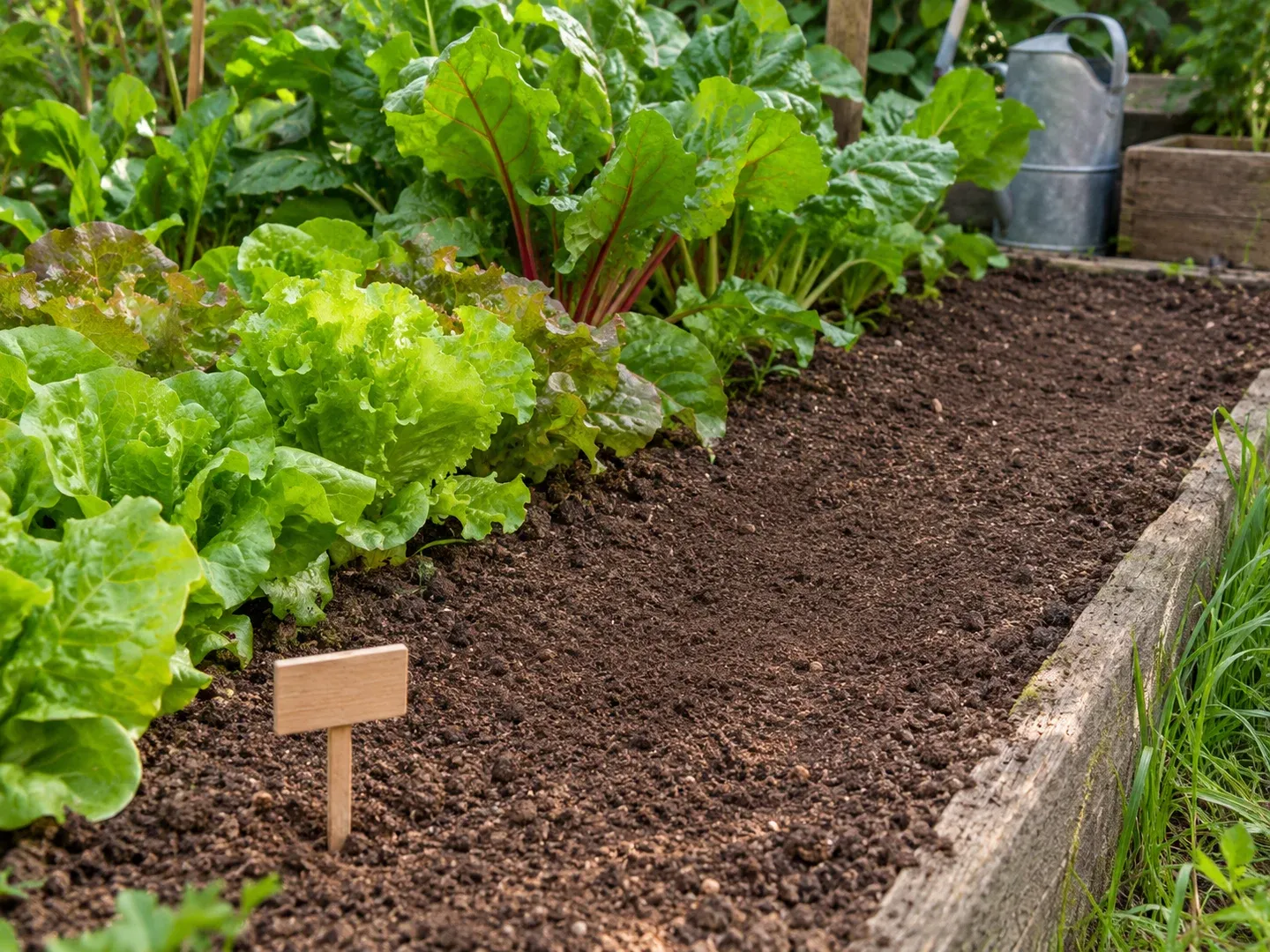
Record what has been sown, the first seedlings to emerge, and spaces being freed. If cold arrives early in your area, do not systematically adhere to the last date on a calendar. If heat persists, continue prioritising establishment conditions.
A summer crop still being harvested can therefore grow alongside a new row of autumn seedlings. The September calendar will help reassess possibilities based on these first sowings’ results, without promising a fixed-date harvest.
Sources and references
- What to sow or plant in late summer?Terre vivante, Blaise Leclerc Accessed on 16 October 2026.
- RadishSociété nationale d’horticulture de France (SNHF), Jean-Daniel Arnaud Accessed on 16 October 2026.
- SpinachSNHF, Jean-Marc Muller Accessed on 16 October 2026.
- Lamb's lettuceSNHF, Jean-Daniel Arnaud Accessed on 16 October 2026.