
The vegetable garden notebook / Climate
Vegetable Gardening in an Oceanic Climate: Adjusting to Soil, Wind and Seasonal Conditions
The oceanic influence provides guidelines for preparing the vegetable garden. To decide when to start work, observe the soil, the plot’s exposure, and the forecasted weather.
Adapt this guidance to your garden’s climate and conditions.
This guide uses French examples and seasonal references. Adjust them to your garden’s climate and local conditions.
- Rain and soil
- Wait until waterlogged soil becomes workable again before working on it.
- Wind
- In an exposed garden, identify wind corridors and plan a permeable shelter.
- Cool nights
- A generally mild regional climate is not enough to decide when to move cold-sensitive crops outdoors.
A climatic reference point, multiple garden situations
Météo-France describes the oceanic climate by mild temperatures and rainfall distributed throughout the year, slightly more pronounced from October to February. The coasts of Brittany and Lower Normandy are examples of this. However, the lower Loire Valley, Vendée, and Charentes receive less rainfall; in Aquitaine, the proximity of the Pyrenees intensifies winter and spring rainfall.
These trends do not provide the date for planting or the moisture level of your bed. Climate describes conditions over several decades; weather concerns a specific location and time, as Météo-France reminds us. Use the region to prepare your choices, then use garden observations and forecasts to confirm them.
After rain, start by observing the soil
A spell of rain does not mean the entire vegetable garden is waterlogged. The problem arises when water no longer drains and occupies the soil’s air spaces for a prolonged period: the roots then lack oxygen. The RHS distinguishes this prolonged waterlogging from water passing through briefly.
If the soil remains sodden, postpone work and avoid walking on the beds to prevent compaction. Identify the areas where water lingers after each rainy episode before planting there. A raised bed may be considered for a recurring problem; it is not an obligation linked solely to the word “oceanic”. These adaptations follow the RHS guidelines.
In an exposed garden, slow down the wind
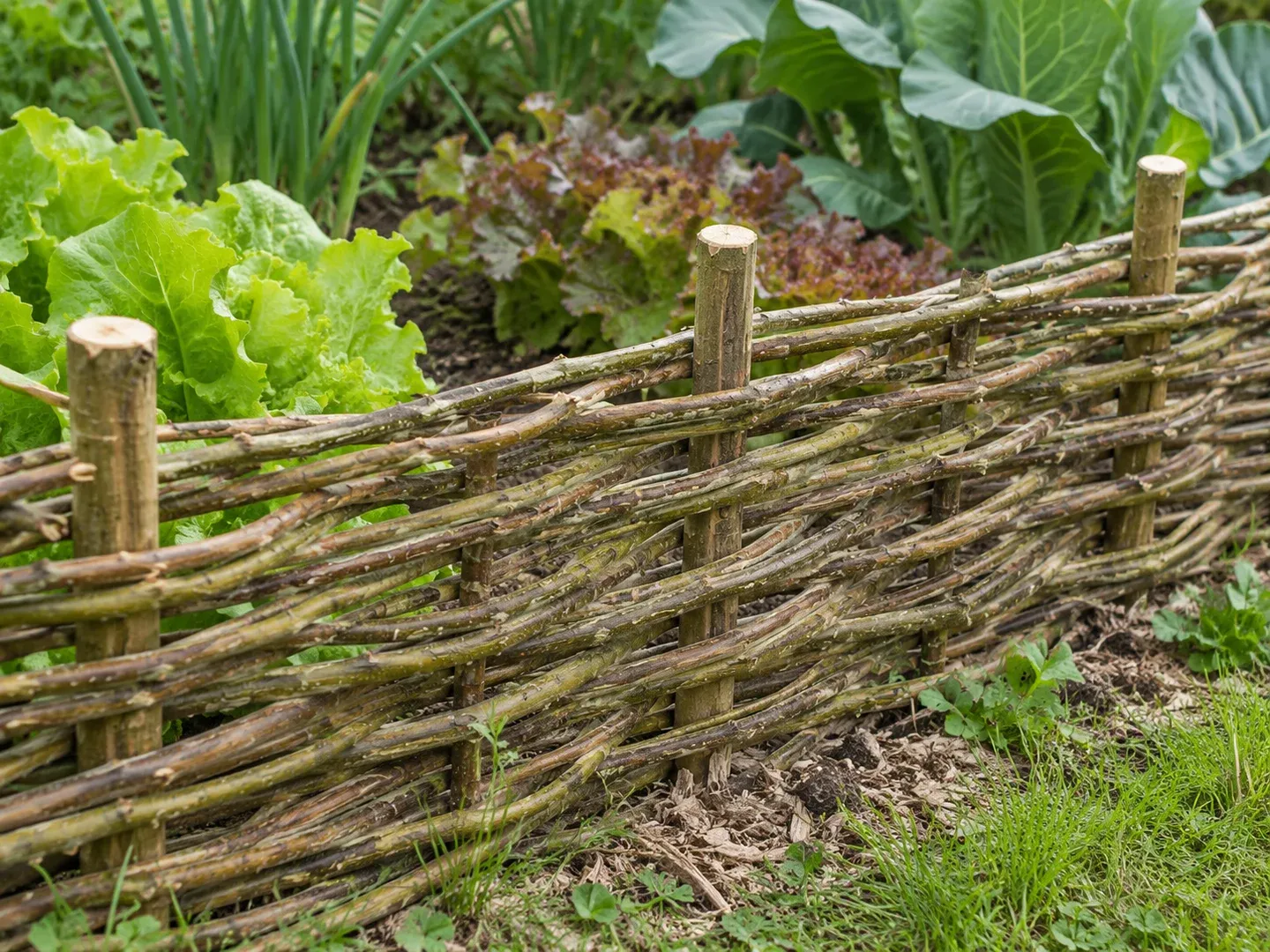
Observe which direction gusts come from in the vegetable garden, especially between buildings. According to the RHS, topography and obstacles can channel wind. A permeable windbreak, such as a suitable hedge or a securely fixed slatted screen, reduces its force; a solid fence can create eddies.
The shelter also serves to limit water loss from the soil and foliage. In coastal areas exposed to sea spray, it can reduce damage from salt-laden wind. Base your decisions on the garden’s actual exposure, without assuming every garden in western France experiences the same winds. Record these observations on your vegetable garden plan.
A mild day is not enough to plant tender vegetables
For tomatoes and other sensitive crops, check the risk of frost and the forecasted nighttime temperatures. The RHS notes that tender plants can suffer from cold even above freezing. It also recommends gradually acclimatising indoor-raised plants before planting them outside.
A sheltered location and a hollow where cold accumulates are not treated the same way. Keep the sensitive plants sheltered if conditions remain unfavourable, and consult the tomato fact sheet for this crop’s requirements. Choose the planting date based on local forecasts and your soil’s condition.
Continue to monitor watering
Decide based on the soil moisture and the crop in place, even in a region known for rainfall. The RHS advises against a fixed frequency: needs vary with conditions and plant development. Sowings, in particular, need the soil surface to remain moist as the seeds germinate and seedlings emerge; this monitoring differs from that of already established vegetables.
Check the soil beneath the surface, then adjust watering using the watering guide. For summer tasks, the summer vegetable garden guide complements these guidelines.
Two scenarios to decide on a first trial
Windy coastal area: first choose the protected zone
If gusts flatten the plants or move the pots, compare a sheltered area with the initial location. Verify that it retains enough light and is not where a hedge would compete with your crops. If the wind sweeps through the entire garden, consider installing a properly secured permeable screen: the issue to address is exposure, not a sowing date. A solid wall installed without careful planning can create eddies. RHS, windbreaks
A small row of radishes, in a suitable variety and season, can serve as a trial after this verification: the SNHF calls for light, moist soil without compaction. This does not mean that the radish tolerates sea spray; if salt still reaches the area, do not assume it is suited to the site simply because the climate is oceanic. SNHF
Sheltered but damp garden: seek usable soil
If water persists on the bed after several rains, first choose an area that drains better, if it exists. For the same radish trial, “moist” does not mean “saturated”: a good wind shelter does not compensate for the lack of air in the soil. The priority differs from the coastal case. SNHF · RHS, waterlogging
If waterlogging recurs and no relocation is possible, evaluate a raised bed and water drainage before investing. The garden bed and container guide helps you compare layout options; the vegetable garden plan helps you preserve access to the beds. You can still delay starting the crop while the ground is unsuitable.
Build up a record of local conditions
In a notebook, note the date of the work, the soil condition, the observed cold nights, and any wind damage. Add the crop and its stage: a young plant coming from a heated indoor environment does not represent the same trial as an already established crop. These notes will help you compare seasons without turning a favourable year into a permanent rule.
Sources and references
- The climate of mainland France and CorsicaMétéo-France Accessed on 16 October 2026.
- What is the difference between weather and climate?Météo-France Accessed on 16 October 2026.
- Waterlogging and floodingRoyal Horticultural Society (RHS), in English Accessed on 16 October 2026.
- Windbreaks and shelterbeltsRoyal Horticultural Society (RHS), in English Accessed on 16 October 2026.
- When to plant out tender plants to avoid frostsRoyal Horticultural Society (RHS), in English Accessed on 16 October 2026.
- WateringRoyal Horticultural Society (RHS), in English Accessed on 16 October 2026.
- RadishFrench National Horticultural Society Accessed on 8 November 2026.