The vegetable garden notebook / Climate
Hardiness Zone: What It Indicates for the Vegetable Garden
A hardiness zone helps assess the winter cold of a location. To plan your vegetable garden, supplement this benchmark with the needs of each crop, forecasts, and your garden’s conditions.
Adapt this guidance to your garden’s climate and conditions.
This guide uses French examples and seasonal references. Adjust them to your garden’s climate and local conditions.
- Winter cold
- A USDA zone corresponds to an average of annual extreme minima, not the record cold for the location.
- Planting for the year
- The zone number does not provide the date of the last frost or the conditions required to start a crop.
- Garden scale
- Supplement regional data with observations of low-lying areas, exposure, and container-grown plants.
What Does a USDA Hardiness Zone Measure?
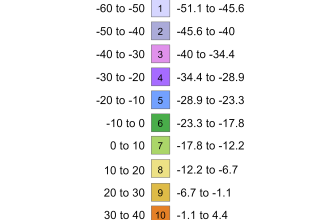
The USDA system classifies locations based on the average of annual extreme minimum temperatures: the minimum temperature for each year is recorded, then averaged over the reference period. The 2023 map uses data from 1991 to 2020. A higher number corresponds to a milder average; within the same zone, “a” designates the colder half and “b” the milder half.
For a concrete example, the official key provides zone 8: from 10 to 20 °F, or approximately −12.2 to −6.7 °C. This is the range of this average of annual minima, not the temperature expected for the next night. The letters “a” and “b” divide each zone into two halves. USDA key
This benchmark is primarily useful for selecting perennial plants. It does not represent the average winter temperature or the absolute cold record. An exceptional cold snap may exceed what the zone suggests. This statistic also does not provide a date for the last frost.
Zone, Plant Hardiness, and Climate: Three Distinct Pieces of Information
A rating such as H4 or H5 belongs to the RHS scale. It indicates the cold a plant is likely to withstand. Its ranges refer to absolute winter minima, whereas USDA zones use an average over several years. Always read the system and conditions specified on the plant’s information sheet.
Example: a perennial labelled H4 is classified by the RHS in the −10 to −5 °C range of absolute winter minima. If a map places your garden in USDA zone 8, do not assume the two ratings “correspond”: their statistics differ. Also check how long the cold lasts and the plant’s moisture and exposure requirements. For this class, the RHS emphasises that container-grown plants are more vulnerable. The rating allows comparison of plants within the same scale.
Climate encompasses more than cold. Météo-France also considers precipitation, wind, sunshine, variations, and extreme events. Altitude and proximity to the sea contribute to regional differences. Knowing a hardiness zone is therefore insufficient for choosing exposure or organising watering for a crop.
How to Use This Benchmark for a Garden in France
The USDA map referenced here covers the United States and Puerto Rico. To examine a map applying these numbers to France, verify its source, data period, and the statistic used. A single cold night or a monthly average temperature is not enough to reproduce this classification.
Next, observe your location. Cold air can accumulate in low-lying areas or against barriers, explains the RHS. Identify parts of the garden regularly affected and avoid placing sensitive crops there when possible. The RHS also emphasises that some plants hardy in the ground become more vulnerable in containers.
Record observed frosts, the crop, its stage, and the affected area. This log helps you understand your garden but does not replace a long-term climate series.
Perennials and Vegetables Grown as Annuals: Distinct Decisions
For a plant you wish to keep over several winters, assess its hardiness alongside its other cultivation requirements. For a vegetable grown over one season, focus primarily on its establishment and the time needed to produce a harvest.
The tomato illustrates this difference: the SNHF describes it as very sensitive to cold and recommends planting it once the risk of frost has passed. The choice of early or late varieties also influences the season’s organisation. A zone favourable for the survival of certain perennials does not give the green light for planting your tomatoes. The tomato guide details their cultivation.
Even a plant that survives winter may have organs sensitive to spring frosts: young shoots, flowers, and young fruits can be damaged by frost. The RHS clearly distinguishes this damage from the survival of the entire plant.
Deciding When to Sow or Plant This Year
Météo-France notes significant variation in the number of frost days from year to year. Their long-term decrease does not eliminate spring frosts, which can affect plants already well into growth. Include these three checks in your preparations:
- The crop and variety. Verify their requirements and the desired period. The SNHF notes that germination conditions differ by species and advises relying on the information on the packets. The absence of frost is not enough to ensure seedling emergence; consult the sowing guide.
- Local forecasts. Before planting sensitive crops, review the forecasted night-time temperatures. The RHS recommends cross-referencing forecasts and microclimate: cool nights may still hinder heat-demanding crops, even without forecasted frost.
- The actual situation in the garden. Compare the chosen location with your observations. For crops remaining outdoors during the colder months, also check the variety and its stage, then prepare appropriate measures using the winter vegetable garden guide.
Sources and references
- How to Use the MapsUSDA Agricultural Research Service, in English Accessed on 16 October 2026.
- RHS hardiness ratingRoyal Horticultural Society (RHS), in English Accessed on 16 October 2026.
- The climate of mainland France and CorsicaMétéo-France Accessed on 16 October 2026.
- Frost damageRHS, in English Accessed on 16 October 2026.
- Will frosts become increasingly rare in the future?Météo-France Accessed on 16 October 2026.
- TomatoSociété nationale d’horticulture de France (SNHF), Jean-Marc Muller Accessed on 16 October 2026.
- When to plant out tender plants – avoiding late frostsRHS, in English Accessed on 16 October 2026.
- Seed and sowingSNHF Scientific Advisory Board Accessed on 16 October 2026.
- USDA map keyUSDA Agricultural Research Service, in English Accessed on 8 November 2026.